


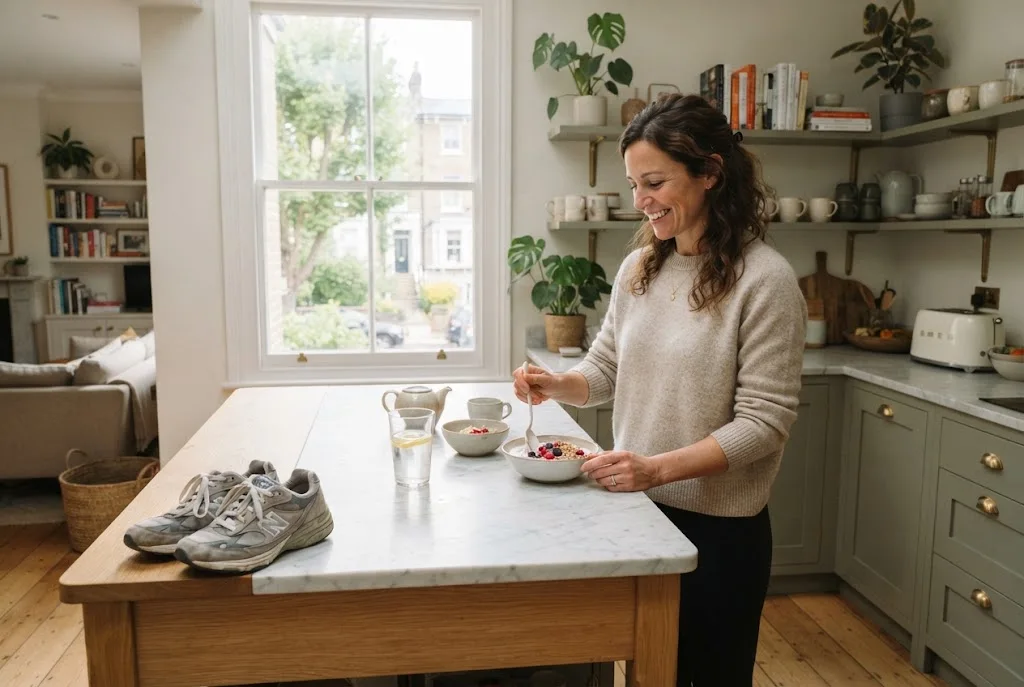
Healthy habits are small actions and behaviours that you repeat regularly to support your physical, emotional and overall wellbeing. They do not need to involve complicated diets, demanding exercise programmes or major lifestyle changes. In many cases, sustainable health improvements begin with simple choices that fit naturally into everyday life.
Whether you want to improve your energy, support better sleep, become more active or create a more balanced routine, developing positive habits can provide a practical foundation. The key is consistency. A realistic habit that you can maintain is often more valuable than a perfect routine that lasts only a few days.
What Are Healthy Habits?
Healthy habits are repeated behaviours that can support your health and quality of life. They can include eating a balanced diet, moving regularly, getting enough sleep, staying hydrated, maintaining personal hygiene, taking breaks and making time for meaningful relationships.
Some habits directly affect physical health, while others support emotional and mental wellbeing. For example, going for a daily walk may support physical fitness while also giving you time outdoors. Similarly, maintaining a regular sleep routine can support both physical recovery and your ability to manage everyday demands.
There is no universal list of habits that works perfectly for everyone. Your routine should reflect your circumstances, responsibilities, health needs and personal preferences.
Why Healthy Habits Matter
Habits influence what we do when we are busy, tired or distracted. When a positive behaviour becomes part of a normal routine, it requires less conscious effort than making the same decision from scratch every day.
For example, someone who prepares a healthy lunch the evening before may find it easier to make a balanced choice during a busy working day. Someone who schedules a short walk after work may be more likely to remain physically active than someone who simply intends to exercise “when there is time”.
Healthy habits can also work together. Better sleep may make it easier to exercise. Regular movement may improve energy and mood. Meal planning can make balanced eating more convenient. Over time, these small connections can create a more supportive lifestyle.
Healthy Habits for Physical Wellbeing
Physical health is one of the clearest areas where everyday habits can make a difference. The aim is not to pursue perfection but to give your body consistent support.
Move Regularly
Regular movement is an important part of a healthy lifestyle. It does not have to mean spending hours in a gym. Walking, cycling, swimming, dancing, gardening, active hobbies and other forms of movement can all contribute to a more active day.
If your work involves sitting for long periods, look for opportunities to stand and move throughout the day. Short walking breaks, stretching between tasks or walking during part of your commute can help reduce sedentary time.
Our guide to physical wellbeing explores the wider role of movement, nutrition, sleep and recovery in supporting everyday health.
Eat a Balanced Diet
Food is another important part of physical health. A balanced eating pattern can include a variety of vegetables and fruit, higher-fibre or wholegrain foods, sources of protein and appropriate amounts of dairy or alternatives.
Rather than focusing on individual “good” or “bad” foods, consider your overall eating pattern. Planning meals, preparing food at home when practical and keeping nutritious options available can make healthier choices easier.
Stay Hydrated
Drinking enough fluid is a simple habit that can easily be overlooked during a busy day. Keep water accessible and make drinking regularly part of your routine.
Your individual fluid needs can vary depending on factors such as activity, weather and personal circumstances, so there is no single amount that suits everyone.
Healthy Habits for Better Sleep
Sleep is an essential part of recovery and everyday functioning. A consistent routine can help make sufficient rest a normal part of your lifestyle rather than something you try to catch up on later.
Consider going to bed and waking up at broadly consistent times. A calm evening routine can also help signal that the day is coming to an end.
Try to create a sleeping environment that is comfortable, quiet and suitable for rest. If you regularly experience significant sleep difficulties, consider discussing them with an appropriate healthcare professional rather than relying solely on lifestyle changes.
Daily Habits That Support Emotional Wellbeing
Not every healthy habit needs to be physical. Everyday behaviours can also support emotional wellbeing.
Making time to speak with someone you trust, spending time outdoors, pursuing an enjoyable hobby or taking a few minutes to reflect on your day can provide valuable opportunities to pause.
It is also useful to recognise your limits. Constantly filling every hour with work, responsibilities and commitments can leave little room for recovery. Creating reasonable boundaries can therefore be an important part of a balanced lifestyle.
For more on this connection, explore our guide to emotional wellbeing.
Positive Habits for a More Productive Day
Some habits can support both health and productivity. The goal is not to make every minute of the day productive. Instead, productive habits should help you manage your time without sacrificing basic needs such as rest, food and recovery.
Plan the Day
Starting the day with a short list of priorities can reduce the feeling of having too many competing tasks. Identify the most important responsibilities rather than creating an unrealistic list that is difficult to complete.
Take Regular Breaks
Working continuously for long periods can leave you mentally and physically drained. Short breaks provide an opportunity to stand, move, drink water or simply step away from a demanding task.
Reduce Unnecessary Distractions
Notifications, social media and constant digital interruptions can fragment attention. Consider turning off non-essential notifications during periods when you need to concentrate.
A more focused working period followed by an intentional break can be more sustainable than trying to remain constantly available.
Better Routines Start Small
One reason people struggle to establish new habits is that they try to change too much at once. A better approach can be to start with one or two behaviours that are simple enough to repeat.
For example, instead of deciding to completely transform your lifestyle, you might begin by taking a 20-minute walk three days a week. Once that behaviour becomes familiar, you could introduce another change, such as preparing healthier breakfasts.
This gradual approach reduces the pressure associated with major lifestyle changes and gives you an opportunity to discover what actually works for you.
How to Turn a Good Intention Into a Habit
Knowing what to do is different from doing it consistently. A few practical strategies can make a new habit easier to maintain.
Choose a Clear Behaviour
“I want to be healthier” is a broad goal. “I will walk for 20 minutes after work on Monday, Wednesday and Friday” is much clearer.
A specific behaviour gives you something concrete to repeat and makes it easier to recognise whether you have completed it.
Connect the Habit to an Existing Routine
New habits can be easier to remember when they are connected to something you already do. For example, you could stretch after brushing your teeth in the morning or prepare tomorrow’s lunch immediately after dinner.
Make the Healthy Choice Convenient
Your environment can influence your behaviour. Keep walking shoes accessible, prepare healthy snacks in advance or place a water bottle where you can easily see it.
At the same time, make less helpful behaviours slightly less convenient. Small environmental changes can reduce the amount of effort required to make a healthier decision.
Track Progress Without Obsessing Over Perfection
A simple calendar, notes app or habit tracker can help you see patterns. However, missing a day does not mean the habit has failed.
The important thing is to return to the routine rather than allowing one missed day to become a reason to stop altogether.
Healthy Habits and Self Care
Healthy routines often overlap with self care. Looking after yourself can include physical activity and nutrition, but it can also involve rest, boundaries, enjoyable activities and asking for support.
A practical self care routine should be realistic enough to fit into your actual life. If a routine requires several hours every day, it may become another source of pressure rather than support.
Think about what genuinely helps you recharge. For one person, this might be a quiet walk. For another, it could be reading, spending time with family, listening to music or taking an uninterrupted break.
Common Mistakes When Building Healthy Habits
Trying to Change Everything at Once
Starting a new diet, intense exercise programme, strict sleep schedule and complicated morning routine simultaneously can quickly become overwhelming.
Prioritise the changes that matter most and build gradually.
Setting Unrealistic Goals
Goals should challenge you without becoming impossible. If a routine does not fit your schedule, adjust it instead of assuming you lack discipline.
Expecting Immediate Results
Many healthy behaviours produce benefits gradually. Give yourself time to establish the routine before deciding whether it works.
Using an All-or-Nothing Approach
Missing one workout or eating an unplanned meal does not erase your previous progress. Sustainable habits allow room for ordinary life.
Healthy Habits for Busy People
Busy schedules can make healthy living feel difficult, but many useful habits require little extra time.
- Take short walking breaks during the working day.
- Keep water available while working.
- Prepare simple meals in advance.
- Use stairs when appropriate.
- Set a consistent bedtime where possible.
- Schedule important personal activities instead of leaving them until “free time”.
- Spend a few minutes each day checking in with yourself.
The objective is to integrate healthy choices into existing routines rather than creating a completely separate lifestyle that is difficult to maintain.
How Healthy Habits Support Overall Wellbeing
Healthy habits are most useful when they contribute to your wider wellbeing rather than becoming another source of pressure.
Regular movement can support physical health. Adequate sleep can support recovery and daily functioning. Meaningful relationships can provide connection. Time for yourself can create space for rest and reflection.
These areas are interconnected, which is why a broader approach to wellbeing can be more useful than focusing on one habit in isolation.
A Simple Healthy Habits Plan
If you are starting from scratch, choose a small number of behaviours for the next few weeks.
- Choose one movement habit: Walk, cycle or perform another activity you enjoy several times a week.
- Choose one nutrition habit: Add more variety to your meals or prepare food in advance.
- Choose one sleep habit: Create a consistent evening routine.
- Choose one wellbeing habit: Make regular time for something that helps you relax or connect with others.
- Review your progress: After a few weeks, decide what is working and what needs adjusting.
This approach keeps the focus on practical progress rather than perfection.
Final Thoughts on Healthy Habits
Healthy habits are built through repeated, realistic choices rather than sudden lifestyle transformations. Small actions such as moving regularly, eating balanced meals, protecting sleep, taking breaks and making time for yourself can become valuable parts of everyday life.
The most sustainable routine is one that fits your circumstances. Start small, make your environment supportive and give yourself room to adapt. Over time, positive habits can become ordinary parts of your day instead of tasks that require constant motivation.
Good health is not created by one perfect day. It is supported by the choices you make repeatedly over weeks, months and years.
