


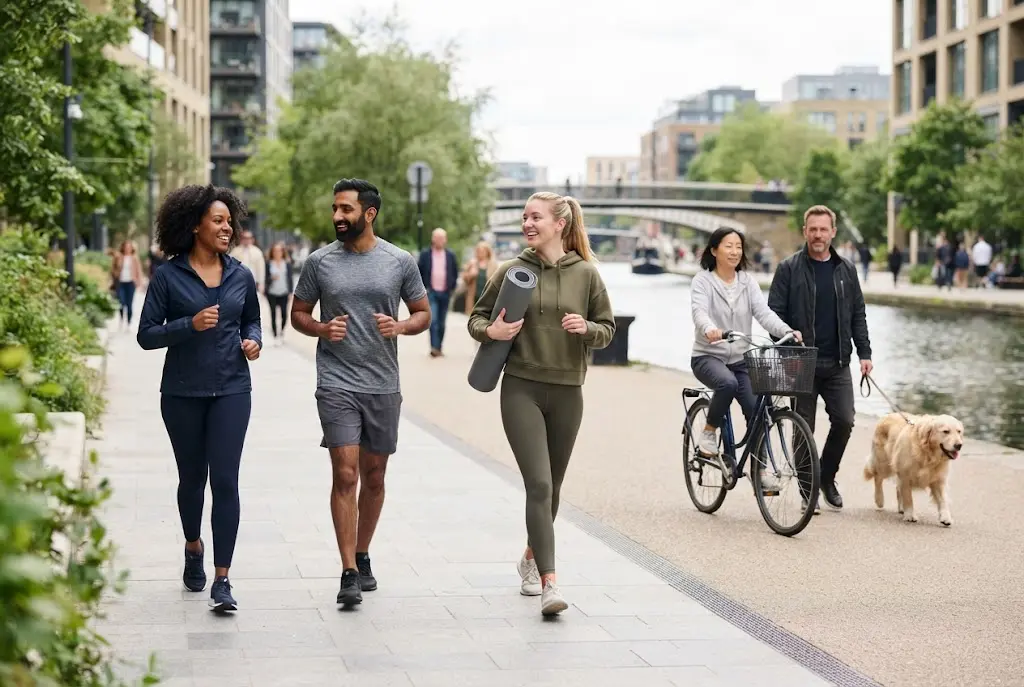
An active lifestyle does not require spending hours in the gym or training for a competitive sport. It is about making regular movement part of everyday life in ways that are realistic, enjoyable and sustainable. Walking, cycling, dancing, swimming, strength exercises, yoga and active hobbies can all contribute to a healthier routine.
For many people, the biggest challenge is not knowing which exercise is best but finding an approach that fits around work, family, energy levels and existing commitments. The good news is that an active lifestyle can be built gradually. Small changes can make movement easier to maintain, especially when physical activity becomes a normal part of the day rather than another demanding task on the to-do list.
What Is an Active Lifestyle?
An active lifestyle means regularly incorporating physical movement into your daily and weekly routine. It can include structured workouts, recreational activities, walking, household tasks, outdoor hobbies and sports.
Being active does not look the same for everyone. One person might enjoy running and strength training, while another may prefer walking, swimming or yoga. The most useful routine is one that matches your abilities, interests and circumstances.
The NHS recommends that adults aged 19 to 64 aim for at least 150 minutes of moderate-intensity activity each week, or 75 minutes of vigorous activity, alongside muscle-strengthening activities on at least two days a week. The guidance also encourages people to reduce long periods of sitting and break them up with movement.
Why an Active Lifestyle Matters
Regular movement supports both physical and mental wellbeing. It can help people maintain fitness, build strength, improve energy levels and support everyday mobility. Physical activity can also contribute to better mood and sleep.
Importantly, becoming more active does not mean that every session needs to be intense. The NHS notes that even short periods of activity can contribute towards weekly movement goals, making it easier for people to build activity into busy routines.
For someone who currently spends much of the day sitting, adding a short walk, taking the stairs or standing regularly can be a practical starting point. Over time, those small habits can become the foundation for a more active routine.
How to Start an Active Lifestyle
Start With Activities You Enjoy
Enjoyment matters because consistency is easier when exercise feels rewarding rather than like a chore. Think about activities you genuinely like or would be willing to try.
Some options include:
- Brisk walking
- Cycling
- Swimming
- Dancing
- Running
- Hiking
- Yoga
- Pilates
- Strength training
- Team sports
You do not need to choose one activity permanently. Mixing different forms of movement can make your routine more interesting while helping you develop different aspects of fitness.
Build Up Gradually
If you have been inactive for some time, trying to do too much too quickly can make the transition unnecessarily difficult. Start with manageable sessions and gradually increase duration, frequency or intensity.
For example, you might begin with a short walk several times a week and then add longer walks or another activity. The aim is to create a routine that can continue beyond the first few weeks.
If you have not exercised for some time, or you have a health condition or concerns about exercise, the NHS advises speaking with your GP first and making sure your activity and intensity are appropriate for your fitness level.
Make Movement Part of Your Daily Routine
A common mistake is to think of exercise as something that only happens during a dedicated workout. An active lifestyle can also involve ordinary movement throughout the day.
Consider walking part of a journey, taking stairs where appropriate, doing household activities, gardening, walking while talking on the phone or taking short movement breaks during a desk-based working day.
These habits can be particularly useful for people whose jobs involve prolonged sitting. Rather than waiting until the evening to become active, look for small opportunities to move throughout the day.
Active Lifestyle and Strength Training
Cardiovascular activity is only one part of an active routine. Strength exercises are also important because they help develop and maintain muscular strength.
Strength training can include weights, resistance bands, bodyweight exercises and certain activities such as yoga. The NHS recommends muscle-strengthening activity involving the major muscle groups on at least two days each week for adults.
You do not necessarily need an expensive gym membership to begin. Squats, push-ups, resistance-band exercises and other bodyweight movements can be performed in suitable home environments.
The right starting point depends on your current fitness, experience and physical needs. Progress should be gradual, with attention to technique and recovery.
Choosing Fitness Clothing for an Active Routine
The clothes you wear can affect how comfortable you feel while moving. Suitable fitness clothing should allow enough freedom of movement and work appropriately for the activity you have chosen.
For example, clothing for running may need to manage sweat and allow unrestricted movement, while clothing for strength training may prioritise flexibility and durability. For outdoor activities, weather conditions also need to be considered.
Choosing practical clothing can remove some of the small barriers that make exercise feel inconvenient. When your clothes are comfortable and appropriate for the activity, getting started can become easier.
Fitness Clothing vs Athletic Clothing
The terms fitness clothing and athletic clothing are often used interchangeably, but they can describe slightly different needs depending on the context.
Fitness clothing generally refers to garments designed for exercise and training, including leggings, training tops, shorts and supportive layers. Athletic clothing can have a broader meaning and may include clothing designed for specific sports or performance activities.
Rather than focusing too heavily on labels, consider what the garment needs to do. Look for suitable fit, comfort, movement, breathability and appropriate support for the activity.
How to Choose Sportswear for Different Activities
Sportswear is most useful when it matches the demands of the activity. A lightweight outfit may work well for a warm-weather walk, while outdoor training in colder conditions may require several layers.
For running or other high-movement activities, comfortable fabrics and a secure fit can help prevent distractions. For strength training, flexible clothing can make movements easier. Outdoor activities may require additional protection from wind, rain or changing temperatures.
Footwear deserves equal attention. Different activities place different demands on your feet, so appropriate shoes can make movement more comfortable and practical.
Yoga Clothes and Comfortable Movement
Yoga is an accessible way to include movement, flexibility and mindful exercise within an active lifestyle. Because many yoga positions involve stretching and changes in body position, yoga clothes should allow unrestricted movement without becoming distracting.
Comfort is usually more important than following a particular fashion trend. Look for clothing that fits securely, allows you to move naturally and feels appropriate for the style of yoga you practise.
Yoga can also complement other forms of exercise. Someone who enjoys running or strength training may use yoga as part of a broader routine focused on flexibility, movement and recovery.
Creating a Weekly Active Lifestyle Routine
A balanced routine can combine several forms of movement rather than relying on one activity. For example, a week might include walking on several days, strength exercises twice a week and a recreational activity at the weekend.
The exact schedule should reflect your circumstances. Someone with a busy working week may prefer shorter sessions spread across several days, while another person may have more time at weekends.
One useful approach is to think about movement across the entire week instead of judging your progress based on a single day. If one planned session is missed, there is no need to abandon the routine. Simply return to your next opportunity to move.
Make Your Active Lifestyle Sustainable
Sustainability is one of the most important parts of building a lasting exercise routine. Extreme plans can be difficult to maintain, particularly when work, family responsibilities, travel or other commitments change.
Instead, create habits that can adapt. If you cannot complete a full workout, take a walk. If the weather prevents an outdoor activity, consider an indoor alternative. If your schedule changes, move your session to another suitable time.
It can also help to set realistic goals. Rather than focusing only on appearance or performance, consider goals such as becoming more consistent, walking more frequently, improving strength or feeling more comfortable with everyday movement.
Active Lifestyle and Mental Wellbeing
Physical activity is closely connected with mental wellbeing. The NHS highlights benefits such as helping manage stress, improving sleep, increasing energy and lifting mood.
This does not mean exercise should be presented as a solution to every mental health difficulty. However, regular movement can be one useful part of a wider approach to wellbeing.
Outdoor activities can also provide a change of environment and an opportunity to spend time away from screens and sedentary routines. Social activities such as walking groups, classes or team sports may provide additional opportunities for connection.
Building an Active Lifestyle Around Work
Work can make regular movement difficult, particularly for people who spend most of their day at a desk. However, workplace habits can support an active routine.
Short walking breaks, standing during suitable tasks, using stairs and taking a walk during lunch can all add movement to the day. Where workplace policies and circumstances allow, walking meetings or active breaks may also be useful.
This approach connects naturally with broader workplace wellbeing, because physical activity is one part of creating healthier working habits.
Active Lifestyle Without the Pressure to Be Perfect
There is no single definition of what an active person should look like. Fitness levels, abilities, preferences and circumstances vary widely.
A sustainable routine should leave room for rest and recovery. It should also adapt when life becomes busy. Missing a workout does not erase previous progress, and an active lifestyle does not require perfection.
The better goal is consistency over time. Find activities you can enjoy, make movement easier to access and gradually develop habits that fit your real life.
Final Thoughts
An active lifestyle is built through regular movement rather than occasional bursts of intense exercise. Walking, cycling, strength training, yoga, swimming, sports and everyday activity can all contribute to a healthier routine.
The best approach is personal and sustainable. Start at an appropriate level, build gradually and choose activities that you enjoy. Practical fitness clothing, athletic clothing and suitable sportswear can make movement more comfortable, while yoga clothes and other activity-specific options can support different forms of exercise.
Most importantly, think beyond individual workouts. When movement becomes part of how you travel, work, relax and spend your free time, an active lifestyle becomes a natural part of everyday wellbeing rather than another task to complete.
