


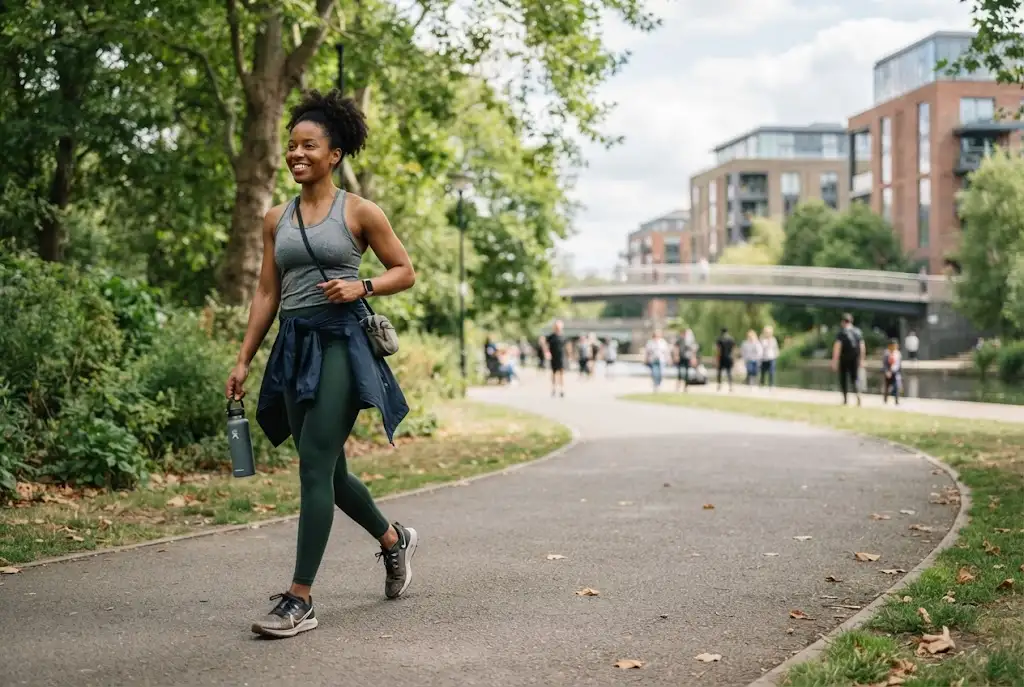
Physical health is an important part of living a healthy and fulfilling life. It affects how comfortably you move, how well your body performs everyday functions and how easily you can take part in work, family life, hobbies and other activities. Understanding physical health can also make it easier to identify practical habits that support your wellbeing over time.
Physical health is not simply about being fit or avoiding illness. It includes areas such as strength, mobility, cardiovascular fitness, sleep, nutrition and the management of physical health conditions. It also connects closely with mental wellbeing, because physical and mental health can influence one another.
What Is the Physical Health Definition?
The physical health definition can be understood as the condition and functioning of the body and its ability to carry out everyday activities. It includes factors such as physical fitness, mobility, strength, energy and the absence or effective management of illness and injury.
There is no single standard that determines whether every person has “good” physical health. Age, disability, existing medical conditions, genetics, lifestyle and individual circumstances can all influence health.
NHS England describes physical health as one of several interconnected aspects of personal health and wellbeing. Its guidance notes that physical health can include musculoskeletal health, which is important for maintaining functional abilities both inside and outside work.
This broader definition is useful because physical health is about function as well as fitness. Being able to walk, climb stairs, carry everyday items, work comfortably or participate in activities that matter to you can all be relevant.
Why Physical Health Matters
Good physical health can support independence, mobility and participation in everyday life. Regular physical activity is associated with a range of health benefits, including a lower risk of several major conditions. The NHS also highlights benefits for mood, sleep, energy and general wellbeing.
Physical health can influence how much energy you have for daily responsibilities and enjoyable activities. When movement becomes difficult because of poor fitness, pain or illness, other parts of life may also become more challenging.
However, maintaining physical health does not mean trying to achieve a particular appearance or athletic standard. A healthy approach focuses on function, sustainable habits and appropriate care for your individual circumstances.
Definition of Physical Health and Everyday Function
The definition of physical health becomes easier to understand when you consider everyday function. Think about activities such as walking to the shops, carrying groceries, climbing stairs, playing with children, travelling or completing household tasks.
Physical wellbeing can help people perform these activities with greater comfort and confidence. Strength, balance, flexibility and cardiovascular fitness all contribute in different ways.
For this reason, physical activity should not be viewed only as a way to change body shape. It can also help maintain the physical capabilities needed for everyday independence.
Physical Health and Regular Exercise
Exercise is one of the most important tools for supporting physical health. It can include structured workouts, walking, cycling, swimming, dancing, sports, strength training and other forms of movement.
For adults aged 19 to 64, NHS guidance recommends at least 150 minutes of moderate-intensity activity each week or 75 minutes of vigorous-intensity activity, alongside muscle-strengthening activities on at least two days each week. It also recommends reducing long periods of sitting and spreading activity throughout the week where possible.
Moderate activities can include brisk walking, cycling, dancing and hiking. Vigorous activities can include running, fast cycling, swimming and some sports. The appropriate intensity depends on an individual’s fitness and circumstances.
If you have been inactive for some time, it is usually more practical to begin gradually rather than attempting a demanding programme immediately.
Our guide to an active lifestyle provides additional ideas for making regular movement part of everyday life.
Strength and Physical Wellbeing
The Strength is an important part of physical health because muscles help support movement, posture and everyday tasks. Strength exercises can be performed at home, outdoors or in a gym.
Examples include resistance-band exercises, weight training, bodyweight exercises and activities such as yoga and Pilates. The NHS includes muscle-strengthening activities as part of its physical activity recommendations for adults.
Strength training does not have to mean lifting very heavy weights. Beginners can start with appropriate resistance and focus on controlled movement and good technique.
As fitness improves, resistance can be increased gradually where appropriate. People with injuries, medical conditions or specific concerns should seek suitable professional advice about exercise choices.
Mobility, Flexibility and Balance
Physical health also involves the ability to move comfortably through different ranges of motion. Flexibility and mobility can be particularly relevant for everyday tasks, while balance becomes increasingly important as people age.
Activities such as stretching, yoga, Pilates and balance exercises can complement aerobic and strengthening activities. Older adults are advised by the NHS to include activities that improve strength, balance and flexibility on at least two days each week.
The goal is not necessarily to become extremely flexible. Instead, maintaining appropriate movement and physical confidence can help people continue performing everyday activities.
Nutrition and Physical Health
Nutrition provides the energy and nutrients needed for the body to function. A varied and balanced diet can therefore support physical health as part of a wider healthy lifestyle.
The NHS healthy living guidance includes eating a balanced diet alongside physical activity, healthy weight management, sleep and other lifestyle factors.
A balanced approach is more sustainable than relying on extreme diets or eliminating large groups of foods without a medical reason. Individual nutritional needs can vary, particularly for people with health conditions or specific dietary requirements.
Food is also closely connected with activity. Regular movement requires energy, while adequate nutrition supports the body’s normal functions and recovery.
Sleep and Physical Health
Sleep is another important part of physical wellbeing. Rest gives the body time to recover and can influence energy, concentration and the ability to carry out daily activities.
Poor sleep can make it harder to maintain healthy routines. When someone feels consistently tired, exercise, meal preparation and other healthy habits may become more difficult.
The NHS’s Every Mind Matters guidance also highlights good-quality sleep as important for both mental and physical wellbeing.
A regular bedtime routine, a comfortable sleep environment and sufficient time for rest can support healthier sleep habits. Persistent sleep problems should be discussed with an appropriate healthcare professional.
Physical Health and Mental Wellbeing
Physical health and mental wellbeing should not be treated as completely separate areas. The NHS explains that physical health can affect mental health and that mental health can also influence physical wellbeing. This can be particularly relevant for people living with long-term physical conditions.
Regular physical activity can support both areas. NHS guidance notes that being active can help manage stress, boost energy, improve sleep and lift mood.
At the same time, mental health difficulties can sometimes make it harder to stay physically active or maintain healthy routines. This is why a realistic health strategy should consider the whole person rather than focusing on physical fitness alone.
Our guide to mental and physical health explores this relationship in greater detail.
Physical Health in the Workplace
Work can have a significant influence on physical wellbeing. Desk-based employees may spend long periods sitting, while physically demanding jobs can involve repetitive movements, lifting or prolonged standing.
Workplace wellbeing therefore includes considering how jobs are designed and how employees can work safely and sustainably. Suitable breaks, movement opportunities, appropriate equipment and sensible working practices can all contribute to healthier working conditions.
For desk-based workers, regularly breaking up long periods of sitting can be a useful habit. NHS physical activity guidance specifically recommends reducing time spent sitting or lying down and breaking up long periods without movement.
Our guide to workplace wellbeing explores the wider relationship between healthy working environments and employee wellbeing.
Healthy Habits That Support Physical Health
Physical health is influenced by a combination of habits rather than one isolated behaviour. Useful areas to consider include:
- Move regularly: Include physical activity throughout the week.
- Build strength: Include suitable muscle-strengthening activities.
- Eat a balanced diet: Aim for variety and appropriate nutrition.
- Prioritise sleep: Give your body enough opportunity to rest.
- Break up sitting: Avoid remaining inactive for long uninterrupted periods.
- Maintain healthy routines: Make activity and recovery part of everyday life.
- Manage harmful habits: Consider reducing behaviours that can damage health.
- Attend appropriate health checks: Follow professional advice relevant to your circumstances.
These habits do not need to be introduced all at once. Starting with one manageable change can be more effective than creating an unrealistic routine that becomes difficult to maintain.
Physical Health for Different Stages of Life
Physical health needs can change throughout life. Children and young people need opportunities for development and movement, adults may need to balance activity with work and family responsibilities, and older adults may place greater emphasis on maintaining strength, balance and independence.
The appropriate amount and type of activity can also vary depending on pregnancy, disability, injury or existing health conditions. NHS guidance provides separate physical activity recommendations for different age groups and circumstances.
This is why health advice should not be applied mechanically. A routine that is suitable for one person may not be appropriate for another.
Physical Health When Living With a Health Condition
Having a long-term health condition does not necessarily mean that physical activity should be avoided. In many cases, appropriate movement can remain part of a healthy routine, although the type and intensity may need to be adapted.
The NHS recommends seeking advice from a healthcare professional if you are unsure whether lifestyle changes or exercise are appropriate for you, particularly when you have a health condition or other concerns.
The important point is individualisation. Physical health goals should account for symptoms, treatment, mobility, fitness level and professional recommendations.
When to Seek Professional Advice
Healthy lifestyle habits can support general wellbeing, but they should not replace medical assessment when you have symptoms or concerns.
Speak with an appropriate healthcare professional if you experience persistent or unexplained symptoms, ongoing pain, significant changes in your physical ability or concerns about a health condition. If you have not exercised for some time or have medical concerns, the NHS recommends discussing exercise and its appropriate intensity with your GP or another suitable healthcare professional.
Professional guidance is particularly important when starting a new exercise programme after illness, injury or a significant change in health.
Physical Health Is About More Than Fitness
It is easy to associate physical health with gym workouts, running or athletic performance. However, physical wellbeing is broader than exercise performance.
Being able to move comfortably, maintain independence, complete everyday activities and participate in things you enjoy can all be meaningful indicators of physical wellbeing.
This broader perspective can make healthy living more accessible. Someone who cannot participate in high-impact exercise can still work towards appropriate movement, strength, mobility and functional health.
Final Thoughts
The definition of physical health extends beyond simply being free from illness. It includes how the body functions, moves and supports everyday life. Strength, mobility, cardiovascular fitness, nutrition, sleep and appropriate healthcare can all contribute to physical wellbeing.
Regular movement is an important part of maintaining health, but sustainable habits matter more than perfection. Start at an appropriate level, build gradually and choose activities that fit your circumstances.
Physical health also exists within a wider picture of wellbeing. Supporting mental health, maintaining relationships, managing workplace demands and developing an active lifestyle can all complement physical health.
If your goal is to live a healthier and more fulfilling life, focus on practical habits that you can maintain over time. A balanced approach can help you protect physical wellbeing while continuing to enjoy the activities, relationships and responsibilities that make everyday life meaningful.
