


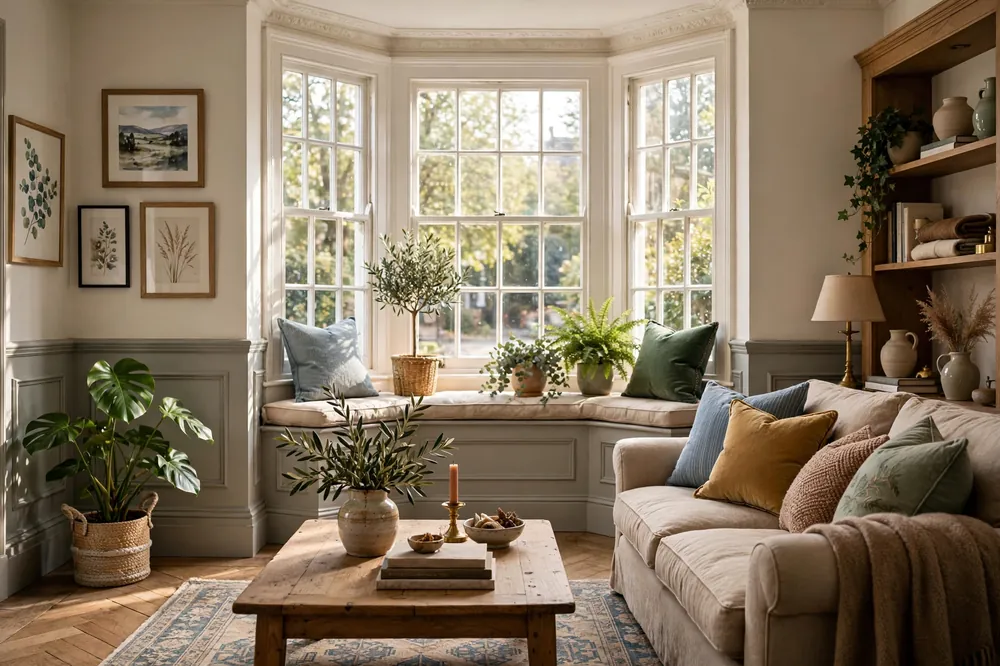
Interior design shapes how a home looks, feels and works every single day. It decides whether a living room invites you to sit down and stay a while, whether a small kitchen feels calm or cramped, and whether a hallway gives a warm welcome or simply leads somewhere else. For UK homeowners and renters alike, good interior design is not about copying show-home photographs or spending a fortune. It is about making thoughtful choices with colour, light, furniture and layout so your home genuinely supports the way you live. This guide explains the core principles, the most popular styles and the practical steps to help you get started with confidence.
What Is Interior Design?
Interior design is the art and practice of planning how an indoor space functions and feels, not just how it looks. It covers layout, lighting, colour, materials, furniture and storage, all working together as one plan. Decorating, by contrast, focuses on the surface finish: paint colours, cushions, curtains and ornaments. An interior design concept pulls everything into a single, coherent idea before any money is spent, so each decision supports the next.
That difference matters in real homes. A beautifully decorated room can still feel awkward if the sofa blocks the light, the storage is in the wrong place or the walkway cuts through the seating area. Well-planned design house interiors are rarely the result of buying beautiful objects one at a time. They come from stepping back, understanding how a room is used hour by hour, and then choosing finishes that serve that life. Once the bones are right, decorating becomes the enjoyable final layer rather than a way of covering up problems.
The Core Principles Behind Every Well-Designed Room
Professional designers rely on a handful of interior design principles that translate to any home, style or budget. Understanding them will improve every room you tackle.
Balance, Proportion and Scale
Balance is how visual weight is spread around a room. A large sofa on one side needs something of similar presence opposite, perhaps a pair of chairs or a substantial bookcase. Proportion and scale go together: oversized furniture swamps a small terrace living room, while tiny pieces look lost in a spacious Victorian reception room. As a simple rule, choose the largest items first, leave comfortable walking space around them, and let everything else follow their scale.
Light and Colour
Light changes everything it touches. North-facing rooms in the UK often receive cooler light, so warm neutrals, soft whites and richer accent colours usually work better there, while south-facing rooms can carry cooler tones easily. Layer lighting at three levels: ambient light for the whole room, task lighting for reading and cooking, and accent lighting to highlight pictures or shelving. Colour then ties the scheme together; repeating two or three colours across cushions, art and upholstery makes a room feel settled.
Texture and Focal Points
Texture stops a coordinated room feeling flat. Mix smooth with rough and matte with sheen: a wool throw over a leather chair, linen curtains beside painted wood, a jute rug on floorboards. Finally, give each room one focal point, such as a fireplace, a bay window or a much-loved painting, and arrange the rest around it. Rooms without a focal point tend to feel restless because the eye has nowhere to land.
Popular Interior Design Styles Explained
Styles are simply starting points. Most real homes blend two or three, but understanding the main styles of interior design makes it far easier to describe what you like and to shop with purpose.
Traditional Interior Design
Traditional interior design takes its cues from classic European homes: elegant lines, rich wood, patterned fabrics, symmetry and a sense of formality softened by comfort. In British homes it sits naturally in period properties, where fireplaces, coving and tall windows reward a more formal approach. Expect warm colours, layered curtains, antiques or antique-style furniture and plenty of craftsmanship.
Minimalist Interior Design
Minimalist interior design strips a room back to what is useful and beautiful, nothing more. Palettes stay neutral, storage is hidden, and every object earns its place. It works brilliantly in smaller UK flats where clutter quickly overwhelms, although it asks for discipline: surfaces stay clear and storage must be planned properly rather than wished away.
Modernist Interior Design
Modernist interior design grew from early twentieth-century ideas about function, clean lines and honest materials such as glass, steel and moulded plywood. Rooms feel open and uncluttered, with low-profile furniture and bold, simple shapes. It suits open-plan extensions and newer homes particularly well, where large windows and plain walls show the geometry at its best.
Scandinavian and Cottage Styles
Scandinavian style shares minimalism’s love of light but adds warmth: pale woods, soft textiles, plants and an emphasis on cosiness during long, dark winters, a quality British homes can borrow happily. Cottage style leans the other way, romantic and gathered rather than pared back, with florals, painted furniture, open shelving and a relaxed, lived-in feel that flatters country cottages and older terraces alike.
Eclectic Interiors
Eclectic interiors mix periods, patterns and colours deliberately, uniting them through a repeated colour or material so the result feels curated rather than chaotic. It is the most personal of the styles and a forgiving choice if you love second-hand finds, travel souvenirs and inherited pieces. The secret is restraint somewhere: keep either the palette or the silhouettes calm, and let the other do the talking.
Room-by-Room Interior Design Starting Points
You do not need to redesign the whole house at once. Work through home interiors one room at a time, starting where you spend the most hours.
Living Room
Begin with seating arranged for conversation, not just facing the television. Add a rug large enough for the front legs of the sofa and chairs to sit on, layer lighting at different heights, and plan storage for the things that genuinely live there. If your style leans relaxed, our guide to casual lifestyle living shows how comfort-first thinking can shape the whole home, not just one room.
Kitchen and Dining Areas
Kitchens reward practical design most of all: clear worktops, task lighting under wall units and an easy path between sink, cooker and fridge. In open-plan spaces, use a rug, a change of flooring or a run of low shelving to mark the dining zone without building walls. Consistent colours between the two areas keep the space feeling like one home rather than two competing rooms.
Bedrooms and Hallways
Bedrooms should be the calmest rooms in the house: soft lighting, blackout-lined curtains and bedside storage that swallows clutter. Hallways are easy to overlook, yet they set the tone for the whole home. A runner, a mirror to bounce light, hooks at sensible heights and one piece of art can turn a pass-through space into a proper welcome.
Interior Design for UK Homes: Period Properties, Small Spaces and Rentals
British home interiors come with particular quirks. Many UK home interiors are shaped by period architecture: high ceilings, chimney breasts, picture rails and bay windows in Victorian and Edwardian houses, or lower ceilings and smaller rooms in post-war homes. The happiest schemes work with these bones rather than against them, using chimney breasts for shelving, bays for reading seats and picture rails to hang art without drilling into fragile plaster.
Small spaces ask for clever planning rather than small thinking. Choose furniture raised on legs so more floor shows, use mirrors opposite windows, keep window treatments neat and light, and pick dual-purpose pieces such as storage footstools and extending tables. Painting woodwork and walls in the same colour can also blur the edges of a boxy room and make it feel calmer and larger.
Renters can do more than they often think. With a landlord’s permission, paint is the fastest transformation of all; where paint is not allowed, large rugs, removable hooks, freestanding shelving and generous textiles change a room without changing the building. Designing with intention matters more than budget here, a theme explored in our article on intentional living and the choices that make a house feel like yours.
Budget-Friendly Ways to Refresh a Room
A room refresh does not require a renovation budget. Paint remains the best-value transformation in any home: a single wall in a deeper shade, or a fresh coat of a warm white, can reset a room in a weekend, often for well under £100. Rearranging furniture costs nothing at all, and simply swapping pieces between rooms can make familiar items feel new again.
Textiles come next. New cushion covers, a throw and curtains hung as high and wide as the window allows will change how a room feels more than most single purchases. Lighting is equally powerful: replacing one harsh ceiling bulb with warmer lamps at different heights instantly softens a space. Finally, try charity shops, auctions and second-hand marketplaces for solid wood furniture and original art; they bring a character that flat-pack pieces cannot. As the seasons turn, small updates keep rooms feeling current, in the same spirit as the seasonal refreshes in our guide to seasonal fashion.
When to Hire an Interior Designer
A professional designer earns their fee when a project involves structural changes, a whole-house scheme, listed-building rules or a budget large enough that mistakes would be expensive. Designers also help when you know what you like but cannot pull it together, or when two people in the household cannot agree. Many offer a one-off consultation or a room-by-room service, so you can buy a plan and carry out the work yourself. For a single room refresh, though, the principles in this guide will take most people a long way.
Final Thoughts
Interior design is a skill anyone can learn room by room. Start with how you live, choose a style direction that suits your home, and let balance, light, colour and texture guide each decision. Whether you are refreshing a rented flat or rethinking a family house, the most successful UK home interiors are not the most expensive ones; they are the ones that feel unmistakably like the people who live in them.
