


Seasonal fashion makes it easier to build outfits that feel comfortable, practical and stylish throughout the year. From lightweight spring layers and summer dresses to autumn knitwear and winter coats, changing the way you dress with the weather can keep your wardrobe versatile without requiring a completely new collection every few months.
The best approach to seasonal style is not simply following every new trend. Instead, it combines useful wardrobe staples with current influences, suitable fabrics, thoughtful layering and colours that work for the time of year. With a flexible wardrobe, you can create fashion-forward outfits while still maintaining your own personal style.
What Is Seasonal Fashion?
Seasonal fashion refers to the way clothing, colours, fabrics, footwear and accessories change throughout the year. Weather naturally influences these choices, but fashion trends and lifestyle needs also play an important role.
For example, spring often calls for lighter layers because temperatures can change quickly. Summer encourages breathable fabrics and relaxed silhouettes, while autumn creates opportunities for knitwear, jackets and richer colours. Winter, meanwhile, requires warmth, layering and practical outerwear without sacrificing style.
However, seasonal dressing does not mean putting your entire wardrobe away every few months. Many of the most useful pieces can transition between seasons with a few changes in layering and accessories.
Why Seasonal Fashion Matters for Everyday Style
A seasonal wardrobe can make getting dressed easier because it reflects the conditions around you. Wearing clothing that suits the weather helps you remain comfortable, while thoughtful styling ensures that practical outfits still feel personal and polished.
Seasonal dressing can also make an existing wardrobe feel fresh. A shirt that works with jeans in spring might be layered underneath a jumper in autumn. A summer dress can sometimes become part of a colder-weather outfit when paired with knitwear, tights and suitable outerwear.
This approach is particularly useful if you prefer a more considered wardrobe. Instead of buying completely new outfits whenever the weather changes, you can identify which pieces already work and add only what is genuinely useful.
Spring Fashion: Fresh Layers and Easy Colour
Spring fashion is often associated with lighter colours, softer fabrics and transitional layers. Yet spring weather in the UK can be unpredictable, so flexibility is more important than creating a wardrobe based purely on appearance.
Lightweight jackets, cardigans, overshirts and tailored coats can provide useful layers when mornings are cool and afternoons become warmer. Shirts, fine knitwear and long-sleeved tops can also work well because they can be layered or worn alone depending on the temperature.
Spring Trends to Adapt Carefully
Spring trends can provide useful inspiration, but there is no need to adopt every new look. Instead, choose one or two elements that work with clothes you already own.
A fresh colour, updated trouser shape or new accessory can change the appearance of familiar outfits without requiring a complete wardrobe overhaul. This keeps seasonal style more practical and makes it easier to maintain a consistent personal aesthetic.
Spring Outfit Ideas
For everyday wear, try straight-leg jeans with a lightweight knit and a tailored jacket. For a slightly smarter look, wide-leg trousers can be paired with a simple blouse and loafers. A midi dress with a lightweight coat is another versatile option for days when temperatures vary.
Summer Fashion: Comfort Meets Personal Style
Summer fashion places greater emphasis on breathable materials, comfortable silhouettes and lighter layers. When temperatures rise, clothing needs to allow movement and airflow while still reflecting personal style.
Cotton, linen and other lightweight fabrics can be useful choices for warm weather. Relaxed shirts, wide-leg trousers, midi skirts, dresses and simple tops can form the basis of versatile summer outfits.
Accessories also become more visible during summer because there are fewer layers. Sunglasses, lightweight scarves, jewellery, belts and practical bags can add personality to a relatively simple outfit.
Creating Practical Summer Outfits
A useful summer outfit does not need to be complicated. A simple dress with comfortable sandals can work for everyday activities, while tailored trousers with a lightweight shirt can create a smarter appearance.
For casual days, relaxed denim shorts or trousers can be combined with a breathable top and simple trainers. When dressing for an evening occasion, changing the footwear and accessories can make the same base outfit feel considerably more polished.
The key is to avoid choosing clothes based only on how they look in photographs. Consider whether the fabric, fit and construction will remain comfortable when you are actually wearing them in warm weather.
Autumn Fashion: Layering and Richer Textures
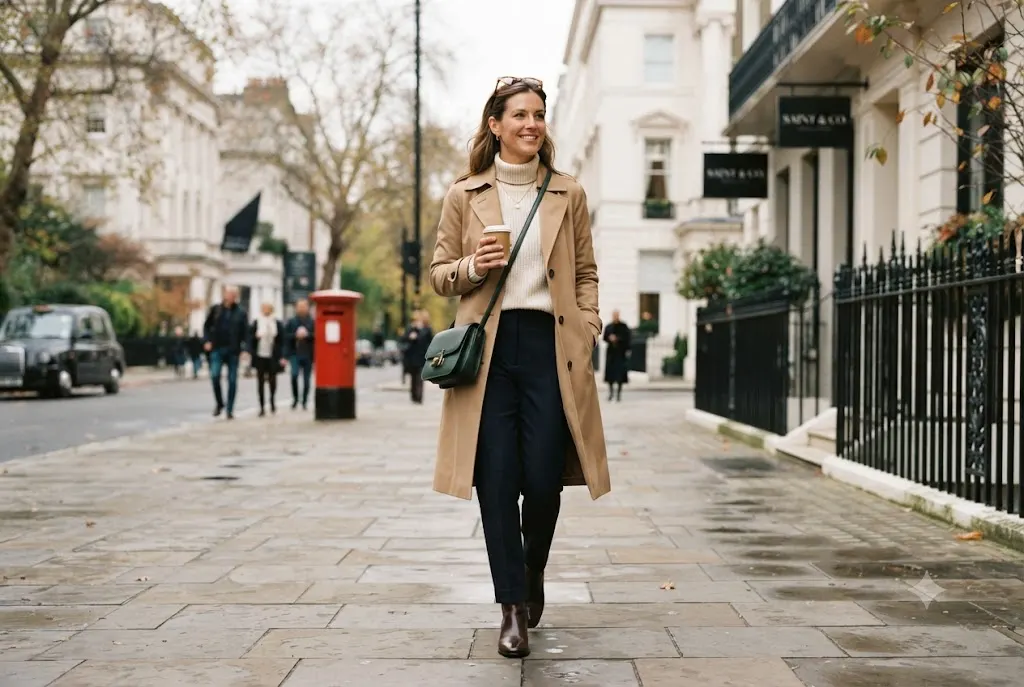
Autumn fashion offers some of the greatest opportunities for layering. As temperatures begin to fall, wardrobes can incorporate knitwear, jackets, boots, scarves and heavier fabrics while still retaining flexibility.
A simple autumn wardrobe might include a fine-knit jumper, heavier cardigan, versatile jacket, tailored trousers, denim, ankle boots and a practical coat. These pieces can be combined in numerous ways, making them useful throughout the transitional period.
How to Layer Without Looking Bulky
Successful layering is about combining different weights and proportions. A lightweight shirt underneath a fine knit can provide warmth without excessive bulk. A structured jacket over a softer base can create definition.
Longer layers can also work well with slimmer or more structured pieces underneath. If several layers have similar proportions, the outfit can appear heavy, so varying lengths and shapes can create a more balanced result.
Autumn Colour and Texture
Autumn is an ideal time to introduce deeper shades and richer textures. Burgundy, olive, brown, navy, cream and warm neutrals can complement many existing wardrobe staples.
Texture can be just as important as colour. Knitwear, suede-inspired finishes, corduroy, wool and textured accessories can add visual interest even when the overall colour palette remains understated.
Winter Fashion: Warmth Without Losing Style
Winter fashion has to perform a practical function. Cold temperatures, wind and wet weather mean that outerwear and layering become essential parts of an outfit.
A good winter wardrobe starts with reliable foundations. Warm knitwear, insulating layers, trousers, suitable footwear and a well-made coat can provide the core of many winter outfits.
Rather than relying on one extremely heavy layer, several well-chosen layers can offer greater flexibility. For example, a fitted base layer can sit underneath a jumper, while a coat provides protection from the weather outside.
Winter Accessories That Add Function
Scarves, gloves, hats and practical bags can serve a clear purpose while also adding detail to an outfit. Footwear is equally important. Boots with suitable grip and weather-resistant construction can be more useful than shoes chosen solely for appearance.
When choosing winter clothing, consider the conditions in which you will actually wear it. A beautiful coat that does not provide enough protection from cold or rain may spend more time in the wardrobe than expected.
Seasonal Fashion Trends vs Timeless Style
Seasonal fashion trends can be exciting because they introduce new colours, shapes, patterns and styling ideas. However, trends move quickly, while a useful wardrobe needs to work for much longer.
A balanced approach is to keep most of your wardrobe relatively timeless and introduce trends through smaller purchases. Accessories, colours and one or two updated pieces can provide a current feel without changing your entire personal style.
This also reduces the risk of buying something simply because it is fashionable at the moment. Before purchasing a trend-led item, ask whether it works with at least several pieces you already own.
The British Fashion Council is a useful authoritative resource for readers who want to follow developments in British fashion, designers and the wider UK fashion industry. Its work includes supporting and promoting British fashion globally. :contentReference[oaicite:0]{index=0}
How to Build a Wardrobe That Works Across Seasons
A strong seasonal wardrobe begins with versatile foundation pieces. These are items that can be styled differently as the weather changes.
A simple shirt, for instance, can be worn on its own during warmer weather, layered under a cardigan in spring or autumn, and used beneath a jumper during colder conditions. Similarly, trousers and denim can transition between seasons through changes in footwear, tops and outerwear.
When planning purchases, consider three questions: Can I wear this in more than one season? Does it work with clothes I already own? Will I still want to wear it next year?
These questions encourage more intentional shopping and can help prevent a wardrobe from becoming dominated by short-lived trends.
Seasonal Styling for Different Occasions
Seasonal styling should also reflect your daily routine. An outfit that works for a relaxed weekend may not be appropriate for work, while clothing suitable for an evening event may not be practical for commuting.
For work, focus on versatile layers that can adapt to changes in temperature. Tailored trousers, shirts, fine knitwear and structured outerwear can create several combinations.
For weekends, comfort can take priority without abandoning style. Denim, relaxed trousers, knitwear, trainers and practical jackets can create easy combinations.
For social occasions, accessories and footwear can transform familiar clothing. A simple dress can feel different with a structured coat and polished shoes, while tailored separates can become more relaxed with casual footwear.
Using Fashion Inspiration Throughout the Year
Fashion inspiration is particularly useful when the seasons change because it can reveal new ways to wear pieces you already own. Rather than copying a complete outfit, look for specific styling ideas.
You might notice an interesting colour combination, a new way of layering a shirt or a different proportion between trousers and outerwear. These individual ideas are easier to adapt to your own wardrobe.
Keeping inspiration practical also makes seasonal dressing more sustainable from a personal perspective. You can experiment with styling without automatically adding more clothes to your shopping list.
For broader guidance on building an everyday wardrobe around personal preferences, our guide to women’s lifestyle fashion explores practical style choices, versatile outfits and effortless dressing.
How to Transition Between Seasons Smoothly
The periods between seasons can be more challenging than the seasons themselves. Spring and autumn often bring unpredictable temperatures, which makes flexible clothing especially valuable.
Instead of immediately replacing your wardrobe, start by adjusting your layers. Add a cardigan or lightweight jacket when temperatures fall, or remove heavier layers when the weather becomes warmer.
Footwear can also signal a seasonal transition. Trainers and lighter shoes may work well during warmer periods, while boots become more useful as temperatures drop and conditions become wetter.
Accessories provide another simple transition. A scarf can add warmth without requiring a heavy coat, while lighter bags and jewellery can help create a fresher appearance as the weather improves.
Final Thoughts on Seasonal Fashion
Seasonal fashion is most effective when it combines practicality with personal style. Spring, summer, autumn and winter each provide opportunities to experiment with different colours, textures, layers and silhouettes, but your wardrobe does not need to change completely every few months.
Build around versatile essentials, introduce trends selectively and pay attention to comfort. When you understand how your clothes can transition between seasons, fashion becomes easier to manage and more enjoyable to explore.
The goal is not to own every seasonal trend. It is to create a wardrobe that works with your lifestyle, responds to the weather and gives you plenty of options throughout the year.
