


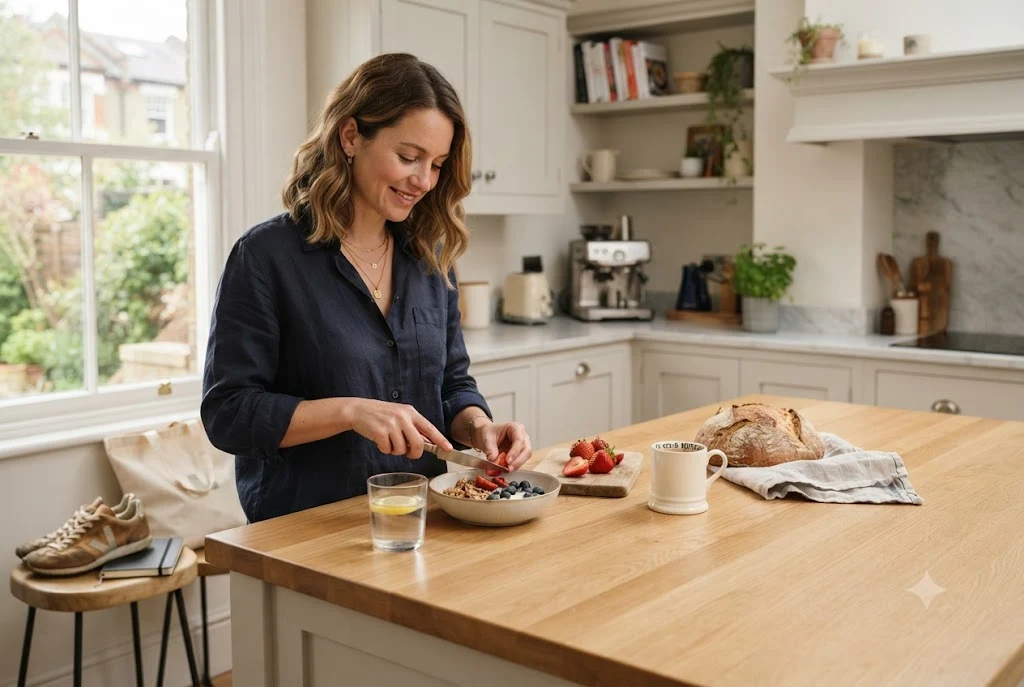
Healthy habits do not have to involve dramatic lifestyle changes or complicated routines. In many cases, lasting wellbeing comes from small daily choices that are realistic enough to repeat. Eating balanced meals, moving regularly, getting enough rest, staying organised and making time to recharge can gradually create a healthier and more balanced lifestyle.
The most useful habits are the ones that fit naturally into your existing routine. Instead of trying to change everything at once, focus on a few positive habits that support your physical health, mental wellbeing and everyday productivity. Over time, these small actions can become dependable parts of your lifestyle.
What Are Healthy Habits?
Healthy habits are repeated behaviours that support your overall wellbeing. They can include physical activities, eating patterns, sleep routines, personal organisation and ways of managing everyday stress.
A healthy habit does not need to look impressive. Taking a short walk, preparing a balanced breakfast, drinking enough fluids, going to bed at a consistent time or taking a few minutes away from your screen can all contribute to a more balanced routine.
The key is consistency rather than perfection. Missing a day does not mean a habit has failed. What matters is returning to the behaviour and making it part of your normal life.
Why Healthy Habits Matter in Everyday Life
Your daily routine influences much more than how you spend your time. Regular movement, balanced nutrition, adequate rest and periods of relaxation can affect how you feel and function throughout the day.
Healthy habits can also reduce the number of decisions you need to make. When certain behaviours become automatic, you do not need to rely on motivation every time. A regular bedtime, planned meals or a daily walk can simply become part of the rhythm of your day.
The NHS provides guidance covering healthy eating, physical activity, sleep and other areas of healthy living, making it a useful starting point for people looking for reliable UK health information.
Start With Small Positive Habits
One of the easiest ways to build a healthier lifestyle is to start smaller than you think you need to. Large goals can feel overwhelming, particularly when your schedule is already busy.
Instead of deciding to completely transform your lifestyle, choose one behaviour that can be repeated consistently. You might begin with a short walk after lunch, preparing tomorrow’s clothes before bed or adding more fruit and vegetables to your meals.
Once the behaviour feels familiar, you can gradually build on it. This approach makes positive habits easier to maintain because they become connected to your existing routine rather than competing with it.
Make the First Step Easy
Convenience matters. If a healthy choice requires too much preparation, you may be less likely to repeat it on busy days.
Keep useful items accessible, prepare simple meals in advance and choose activities that fit your lifestyle. A short walk close to home may be easier to maintain than an ambitious exercise plan that requires extensive travel.
Daily Habits That Can Support Wellbeing
Daily habits are often more valuable than occasional bursts of motivation. A few simple behaviours can create structure while leaving enough flexibility for real life.
Move More During the Day
Physical activity does not have to mean spending hours in a gym. Walking, cycling, gardening, dancing, household activities and other forms of movement can help you become more active.
NHS guidance recommends that adults aim for at least 150 minutes of moderate-intensity physical activity each week, or 75 minutes of vigorous activity, alongside muscle-strengthening activities on at least two days a week. It also recommends reducing long periods of sitting or lying down.
If you are currently inactive, you do not have to reach those targets immediately. Starting gradually and finding an activity you enjoy can make movement easier to maintain.
Eat a Balanced Range of Foods
Food is another important part of everyday wellbeing. A balanced diet should provide a variety of nutrients rather than relying on one particular food or restrictive approach.
The NHS Eatwell guidance recommends including a variety of fruit and vegetables, higher-fibre starchy foods, protein sources and dairy or alternatives, while choosing unsaturated oils and limiting foods high in sugar, saturated fat and salt.
For everyday life, this can be as simple as making meals more varied, adding vegetables to lunch or dinner, choosing higher-fibre options when practical and keeping hydration in mind.
Protect Your Sleep Routine
Sleep can easily become a lower priority when work, family responsibilities and social commitments compete for attention. However, making rest part of your routine can help create a more balanced lifestyle.
A consistent evening routine can make winding down easier. You might reduce unnecessary screen time before bed, prepare for the next morning, keep your bedroom comfortable and aim for a regular sleep schedule.
Rather than chasing a perfect routine, focus on creating conditions that make adequate rest more achievable.
How to Build Productive Habits Without Overloading Your Day
Productive habits should help you manage your responsibilities, not turn every minute into another task. Productivity is more sustainable when there is space for breaks, relationships and rest.
One useful approach is to identify the most important tasks for the day before becoming distracted by smaller jobs. Writing down a short priority list can give your day structure without creating an unrealistic schedule.
You can also connect habits to existing activities. For example, reviewing your calendar after breakfast can become a regular planning cue. Preparing tomorrow’s essentials before going to bed can reduce morning stress.
Use Simple Routines Instead of Constant Motivation
Motivation naturally changes from day to day. A routine provides a more dependable structure.
If you want to walk more often, choose a regular time. If you want to eat more balanced meals, decide on a few easy meal options in advance. If you want to organise your mornings, prepare key items the night before.
The simpler the routine, the easier it is to repeat when life becomes busy.
Healthy Habits for a Busy Lifestyle
A healthy routine needs to work on ordinary days, not just when you have plenty of free time. This is why flexibility is so important.
Keep a few quick and nutritious meal options available for busy days. Take short movement breaks if you spend long periods sitting. Use small gaps in your schedule for walking, stretching or simply stepping outside.
You can also create minimum versions of your habits. If you normally take a long walk but cannot fit one in, a shorter walk may still keep the routine alive. If you cannot complete a full workout, some movement can be better than abandoning the habit completely.
This mindset prevents one difficult day from turning into a longer period of inactivity.
How to Make Healthy Habits Stick
Consistency becomes easier when a new behaviour has a clear place in your routine. Instead of saying that you will exercise more, decide when and where you will do it.
Habit stacking can also be useful. This means connecting a new behaviour with something you already do. For example, you might stretch after making your morning coffee or take a short walk after finishing lunch.
Tracking progress can provide useful feedback, but it should not become another source of pressure. A simple checklist or calendar can be enough to show whether you are maintaining your routine.
Focus on Progress, Not Perfection
One missed workout, late night or less-balanced meal does not erase your progress. Healthy living is not about making every choice perfectly.
Instead, look at your overall pattern. If most of your routine supports your wellbeing, occasional disruptions are a normal part of life. The goal is to return to your habits rather than waiting for the perfect moment to start again.
Healthy Habits That Support Mental Wellbeing
Physical and mental wellbeing are closely connected in everyday life. Movement, sleep, nutrition, social connection and periods of rest can all contribute to how you experience your day.
Regular physical activity can be particularly useful. NHS guidance notes that activity can support mood, sleep, energy and confidence, while encouraging people to start at a manageable level and choose activities they enjoy.
Other useful habits include spending time outdoors, maintaining social connections, taking breaks from screens and creating moments when you can focus on something enjoyable rather than productive.
These habits also connect naturally with a wider self care routine. Looking after yourself does not have to mean setting aside an entire day. Small acts of rest and personal attention can become part of normal life.
Creating Better Routines for the Week
A weekly routine can make healthy choices easier because you can anticipate busy periods rather than reacting to them.
At the start of the week, consider when you are likely to have time for movement, food preparation, social activities and rest. You do not need to plan every hour. A basic structure is enough to identify where healthy choices can fit.
For example, you might prepare a few meals ahead of time, choose several days for regular walks and protect one or two evenings for relaxation. The exact routine should reflect your responsibilities rather than following a rigid template.
For readers interested in creating a broader lifestyle routine, the women’s lifestyle fashion guide also explores practical everyday choices and how personal routines can make daily life feel more organised.
When Healthy Habits Need to Be Personalised
There is no single routine that works for everyone. Age, work patterns, responsibilities, fitness levels, dietary needs and existing health conditions can all affect what is appropriate.
General lifestyle guidance can provide a useful starting point, but people with specific medical or dietary needs should seek appropriate professional advice. The NHS also advises people with medical conditions or special dietary needs to speak with a doctor or registered dietitian when making relevant dietary changes.
The same principle applies to exercise. If you have not exercised for some time or have health concerns, appropriate professional guidance can help you choose activities and intensity levels that suit you.
Simple Healthy Habits to Start This Week
If you want to make a few changes without overwhelming yourself, start with a short list of realistic actions:
- Take a walk or add another form of enjoyable movement to your day.
- Include a wider variety of fruit and vegetables in your meals.
- Keep water available throughout the day.
- Create a consistent bedtime and wind-down routine.
- Take regular breaks from long periods of sitting.
- Prepare a few simple meals or snacks before particularly busy days.
- Choose one small positive habit and repeat it consistently.
- Leave time for rest, relationships and activities you genuinely enjoy.
You do not need to adopt every suggestion immediately. Choosing one or two actions that feel realistic can be a better starting point than creating an ambitious routine that quickly becomes difficult to maintain.
Final Thoughts on Healthy Habits
Healthy habits are built through ordinary decisions repeated over time. A balanced diet, regular movement, sufficient rest, practical planning and time for personal wellbeing can all contribute to a lifestyle that feels more sustainable.
The most effective routine is one that fits your real life. Start small, make healthy choices convenient and allow your habits to develop gradually. When you focus on consistency rather than perfection, positive changes become easier to maintain.
A healthier lifestyle does not require you to change everything at once. Sometimes, the most meaningful progress begins with one simple habit repeated today, tomorrow and the day after.
“`
