


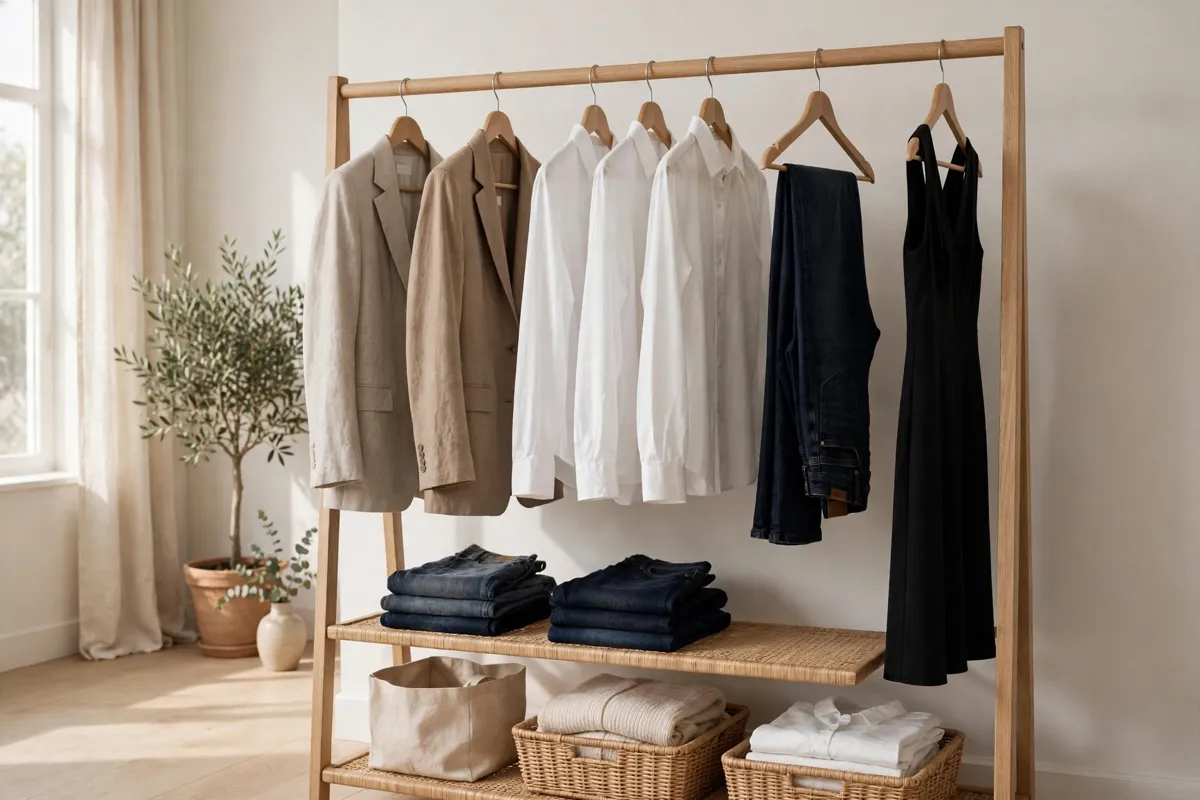
Every woman knows the frustration of a full wardrobe and nothing to wear. Women’s wardrobe essentials solve that problem: a small set of versatile, well-fitting pieces that mix and match easily, so getting dressed becomes simple instead of stressful. This guide explains the essential pieces worth investing in, how to choose them, and how to build a wardrobe that works for everyday life, work, and special occasions.
Start With Fit, Not Fashion
The foundation of any good wardrobe is fit. A well-fitting simple item looks better than an expensive piece that pulls, gaps, or needs constant adjusting. When you try things on, move in them: sit down, raise your arms, and walk around. Check that trousers do not slip, shirts do not gape, and jackets sit neatly on the shoulders. Fit matters more than size labels, which vary between brands, so try before you buy whenever possible and use a good tailor for small adjustments. A wardrobe built on fit flatters you every day, whatever the trends say. For a broader take on personal style, our women’s lifestyle fashion guide covers effortless style for everyday living.
The Core Pieces Every Wardrobe Needs
A practical core wardrobe includes a few reliable staples. Well-fitting jeans in a dark wash, a white shirt, a simple black dress, a tailored blazer, comfortable everyday shoes, and a versatile coat cover most situations. Add a couple of quality T-shirts, a knit for cooler days, and one or two pieces that reflect your personal taste. The goal is not a uniform: it is a base that you can dress up or down with accessories, colour, and layering. Choose neutral colours for core pieces, since they pair with almost everything, and add personality through scarves, jewellery, and shoes rather than buying a new outfit for every occasion.
Choosing Quality Over Quantity
Wardrobe essentials are worth spending a little more on, because you wear them constantly. Check seams, buttons, and zips before buying, and feel the fabric: natural fibres like cotton, wool, and linen usually breathe better and last longer than thin synthetics. Read care labels honestly and be realistic about what you will actually maintain. A beautiful item that needs constant dry cleaning may not earn its place if your lifestyle is busy. Buying fewer, better pieces also makes mornings easier, since everything in your wardrobe is something you genuinely like and reach for. Our seasonal fashion guide shows how to adapt core pieces across the year without buying a whole new wardrobe each season.
Building Outfits From Essentials
The test of a good essentials wardrobe is how many outfits it makes. A white shirt, dark jeans, and a blazer can go to the office, out to dinner, or to a weekend lunch with small changes in shoes and accessories. A black dress works for work with a blazer, for evenings with jewellery, and for travel with comfortable shoes. Try laying out combinations at home and photographing the ones you like, so busy mornings become a quick choice rather than a fresh dilemma. Capsule thinking like this also helps when shopping: before buying anything new, ask whether it pairs with at least three things you already own.
Seasonal Adjustments Without Starting Over
Essentials adapt across seasons with layering. In winter, add knitwear, tights, boots, and a warm coat over the same base pieces. In summer, swap heavy fabrics for lighter ones and let accessories carry the colour. Transitional weather is where a good jacket, a scarf, and ankle boots earn their keep. Store out-of-season pieces properly so they stay fresh, and review your wardrobe at each season change to spot gaps before you need to fill them urgently. For timeless styling ideas that work year-round, our fashion trends guide focuses on styles that last beyond a single season.
Workwear Essentials That Still Feel Like You
Work wardrobes need to be polished without feeling like a costume. A tailored blazer, well-cut trousers or a smart skirt, a few quality tops, and comfortable but smart shoes form a reliable work base. Keep colours mostly neutral and add one or two personal touches, like a favourite scarf or a distinctive bag, so your work outfits still feel like yours. If your workplace is casual, the same pieces work with trainers and a relaxed layer. Comfort matters as much as appearance when you wear something all day, so never keep a work item that you cannot sit, walk, and focus in. Our casual lifestyle guide covers the relaxed side of everyday dressing for days off.
Looking After Your Essentials
Good care extends the life of every essential piece. Follow care labels, wash dark colours inside out, and air clothes between wears instead of washing them after every use. Invest in decent hangers, since wire hangers distort shoulders, and fold heavy knits rather than hanging them. Repair small problems promptly: a loose button or a dropped hem is a quick fix that keeps a favourite piece in rotation. A wardrobe that is cared for looks better, costs less over time, and makes choosing an outfit genuinely easy.
A Simple Wardrobe Reset
If your wardrobe feels overwhelming, a reset helps. Take everything out, try on anything you are unsure about, and be honest about what you actually wear. Keep the pieces that fit well, suit your life, and make you feel good. Donate or recycle the rest. What remains is usually closer to a true essentials wardrobe than you expect, with a few clear gaps to fill thoughtfully. Women’s wardrobe essentials are not about owning less for its own sake: they are about owning the right pieces, looking after them, and making every morning simpler. Pair that clarity with healthy daily habits, like those in our daily changes for better health and self-care routines guides, and the whole routine of getting ready becomes something you enjoy rather than endure.
