


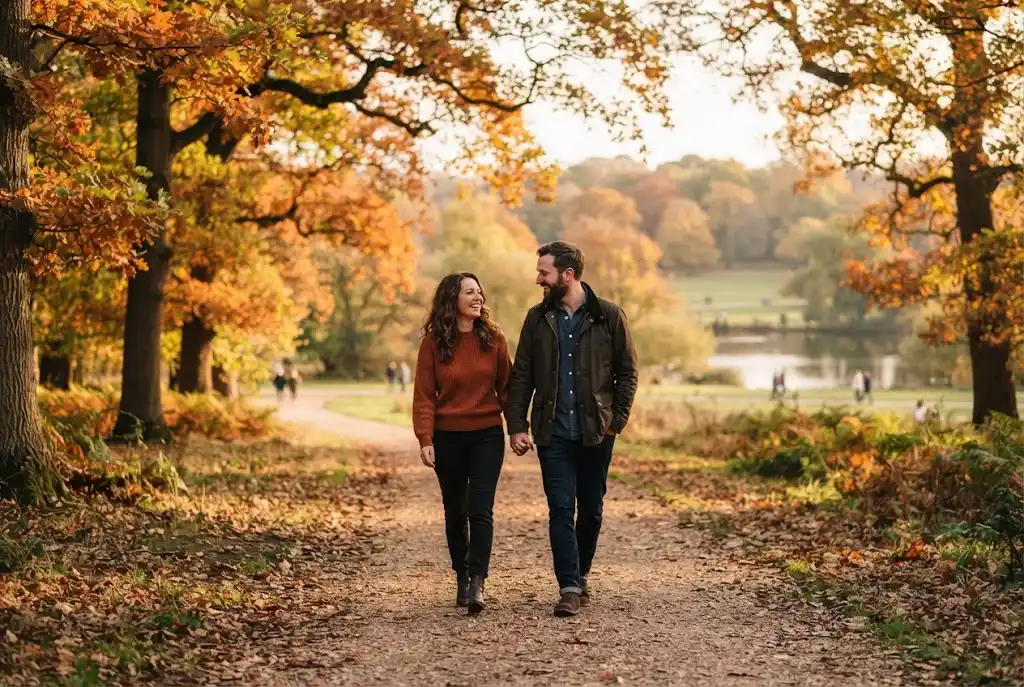
Love vs being in love is a question that has fascinated people for generations. Although the two phrases are often used interchangeably, they describe different emotional experiences. Being in love usually refers to the excitement, passion, and intense attraction felt during the early stages of a relationship. Love, on the other hand, often develops into a deeper bond built on trust, commitment, respect, and shared experiences.
Recognising the difference can help you build healthier relationships, manage expectations, and create stronger emotional connections that last beyond the initial excitement. Whether you’re beginning a new romance or nurturing a long-term partnership, understanding these emotions is an important step towards lasting happiness.
What Does Love vs Being in Love Mean?
The discussion around love vs being in love focuses on two related but distinct emotional experiences.
Being in love is often characterised by butterflies, excitement, intense attraction, and a strong desire to spend time with someone. It is usually influenced by passion and novelty.
Love, however, tends to develop over time. It is built through mutual respect, emotional security, shared values, trust, and commitment. While passion may fluctuate, genuine love often becomes stronger through shared life experiences.
Being in Love Meaning
The being in love meaning is closely associated with the early stages of romance. During this period, emotions often feel intense and exciting. People may constantly think about their partner, seek their company, and feel optimistic about the future together.
Some common signs of being in love include:
- Feeling excited whenever you see your partner.
- Thinking about them frequently throughout the day.
- Wanting to share new experiences together.
- Feeling emotionally and physically attracted to them.
- Looking forward to spending time together.
These feelings are completely natural and often play an important role in forming romantic relationships.
What Is Love?
Love extends beyond emotional excitement. It involves making a conscious decision to support, respect, and care for another person over time.
True love often includes:
- Trust and honesty.
- Emotional security.
- Mutual respect.
- Commitment during both good and difficult times.
- Acceptance of each other’s strengths and imperfections.
Unlike infatuation, love continues growing through consistent actions rather than relying solely on intense emotions.
Love vs In Love: The Main Differences
Emotion vs Commitment
Being in love is primarily driven by powerful emotions and attraction. Love combines those emotions with long-term commitment and daily effort.
Excitement vs Stability
Early romance often feels exciting because everything is new. Love gradually creates emotional stability, security, and deeper companionship.
Idealisation vs Acceptance
People who are newly in love may overlook flaws. Genuine love grows stronger by accepting a partner’s imperfections while continuing to value and support them.
Temporary Feelings vs Lasting Bond
Feelings of excitement naturally rise and fall. Love remains through life’s challenges because it is supported by trust, respect, and shared experiences.
Can You Love Someone Without Being in Love?
Yes. Many people continue to love family members, close friends, and former partners without experiencing romantic feelings. Similarly, couples in long-term relationships may still deeply love each other even if the intense excitement of early romance has naturally evolved into a calmer emotional connection.
This change does not mean the relationship has become weaker. In many cases, it reflects emotional maturity and stronger commitment.
Can You Be in Love Without Lasting Love?
It is also possible to experience intense romantic feelings without developing lasting love. Strong attraction alone cannot sustain a healthy relationship if trust, communication, compatibility, and shared values are missing.
Successful relationships require both emotional attraction and ongoing commitment to each other’s wellbeing.
How Love Evolves Over Time
Healthy relationships rarely remain exactly the same throughout life. Instead, they develop through different stages.
- Initial attraction and excitement.
- Building trust and emotional intimacy.
- Learning to communicate effectively.
- Overcoming challenges together.
- Creating a stable, long-term partnership.
Understanding these stages helps couples appreciate that changing emotions are a normal part of relationship growth rather than a sign that love has disappeared.
The Psychology Behind Love
Psychologists have spent decades studying why people fall in love and how relationships develop over time. Emotional attachment, shared experiences, communication, and commitment all contribute to lasting partnerships.
If you’re interested in the science behind relationships, our guide on love theory explores the psychological models that explain how love develops.
Understanding Different Forms of Love
Romantic love is only one expression of human connection. People also experience friendship, family affection, compassion, and unconditional care throughout life.
To learn more, read our article on types of love, which explores how different forms of love shape our relationships and personal growth.
Building Love That Lasts
Whether you’re newly in love or have been together for many years, healthy relationships benefit from consistent effort.
- Communicate honestly.
- Practice empathy.
- Spend quality time together.
- Support each other’s goals.
- Express appreciation regularly.
- Respect healthy boundaries.
These habits help transform temporary romantic excitement into a stable, fulfilling partnership.
Final Thoughts
The difference between love vs being in love is not about choosing one over the other. Instead, they represent different stages and dimensions of healthy relationships. Being in love often begins with passion and excitement, while love grows through trust, commitment, understanding, and shared experiences.
The strongest relationships combine both emotional attraction and lasting dedication. By appreciating how love develops over time, couples can build deeper connections that continue to thrive long after the excitement of new romance has faded.
